Photo Credit
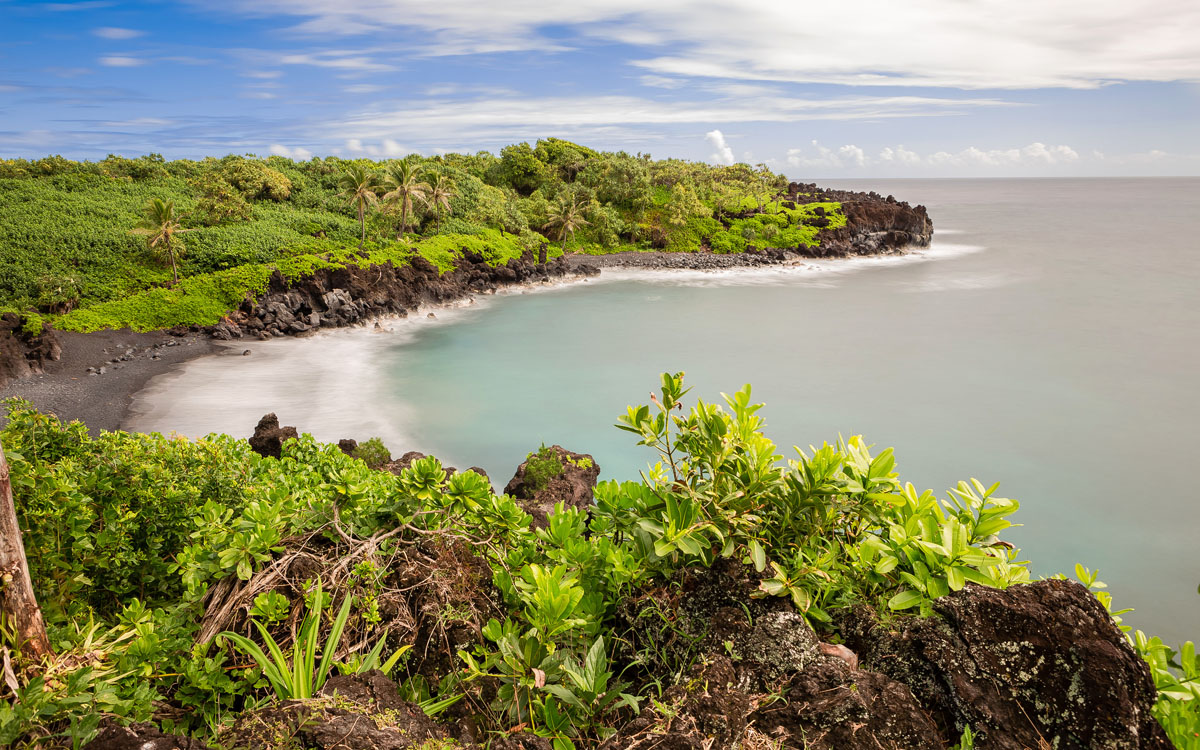
Maui’s warming sun, fine beaches, extravagant skies, tropical forests, and towering volcanoes live up to their legendary status in every way. Finding the soul of the Valley Isle, however, requires some savvy. It’s not necessarily in big-ticket resorts or restaurants; for amenities and a quarter-mile of white sand, there are less expensive places to go. The real fruits of Maui—a profoundly laid-back vibe, great food, and world-class hiking and snorkeling—are well worth the effort.
Fundamental to Maui and all of the Hawaiian Islands is that by law, all beaches are public, regardless of land ownership. This means anyone can enjoy the pristine swimming beaches of the five-star hotels the same as their patrons. Public access to the shoreline (getting down to the beach) is a more contentious issue, and has become increasingly compromised in recent years. In many places public access remains good, for now, and even in the heart of fancy Wailea there is beachfront parking, beach showers, bathrooms, and barbeques.
Maui is a small island. Aside from the narrow roads and bridges on the Road to Hana, most things are within an hour’s drive, making it easy to zip around from one locale to another. Roll down the windows, turn up the classic Hawaiian tunes, and admire the abounding beauty as you pass.
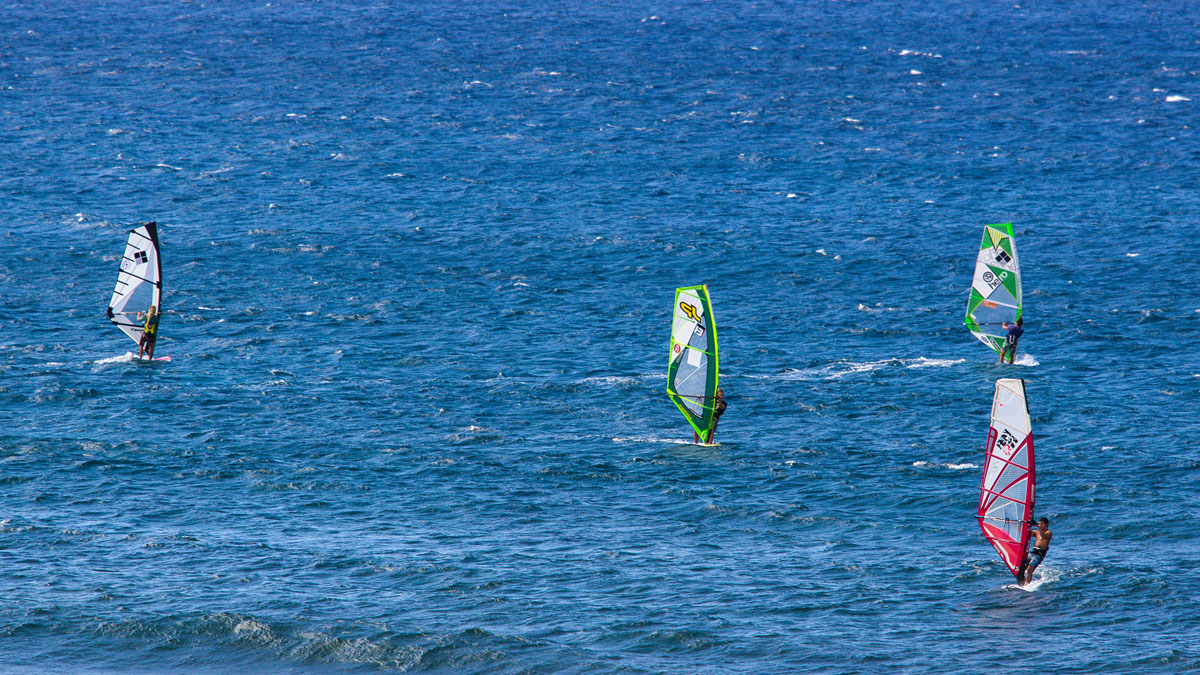
For those seeking Maui off the beaten path, the former sugar plantation town of Paia (pronounced pie-EE-ah) offers a taste of Maui as it used to be. Situated on the north shore about 15 minutes east of Kahului Airport, Paia is sandwiched by Ho‘okipa Beach Park, the world's premier windsurfing destination, and Jaws, the famed big wave break. A number of galleries and shops have emerged in recent years—surely due to Paia’s location at the start of the Road to Hana—but local flavor still resonates with surf shops and eateries packed full of Maui residents.
One of Paia’s great upsides is Maui’s most endearing and reasonably priced restaurants. The leader is the Paia Fish Market, serving Ono, Mahi Mahi, and Ahi in just about every form imaginable. Ono, which means “delicious” in Hawaiian, is a prize of the surrounding waters, esteemed for their white, delicate flesh. These fish can swim up to 50 mph and hit lures and bait with lightning fast strikes, making them a favorite amongst fisherman and restaurant-goers alike. For upscale dining, Mama’s Fish House just outside Paia has prime views and fish so tasty that it’s tough to get a reservation any day of the week. Mama’s prints on the menu the local fishermen responsible for your catch.
Regardless of location, the essence of Maui is in the pristine coastline, mountains, and greenery. Nothing is more fun or easier than snorkeling, which, aside from renting or buying snorkel gear, is free. A classic snorkel spot is south of Wailea in the Ahihi Kinau Reserve, and the more challenging La Perouse Bay is just down the road. The Molokini crater has good snorkeling and top-notch diving, and the boat ride to it also provides a nice opportunity to see the islands from a different perspective. Trips that stop at Turtle Arches on the way back often see Hawaiian green sea turtles, and in clear conditions the snorkeling there can top that at the crater.
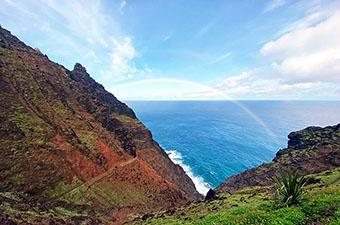
The Road to Hana, the 42-mile stretch along the island’s northeastern coastline, is a must-see on any trip to Maui. The road is slow and full of curves but makes its way through the heart of some of Hawaii’s most spellbinding scenery. Travelers to Maui should consider staying in Hana to enjoy the beauty and seclusion of this corner of the island long after the crowds have departed.
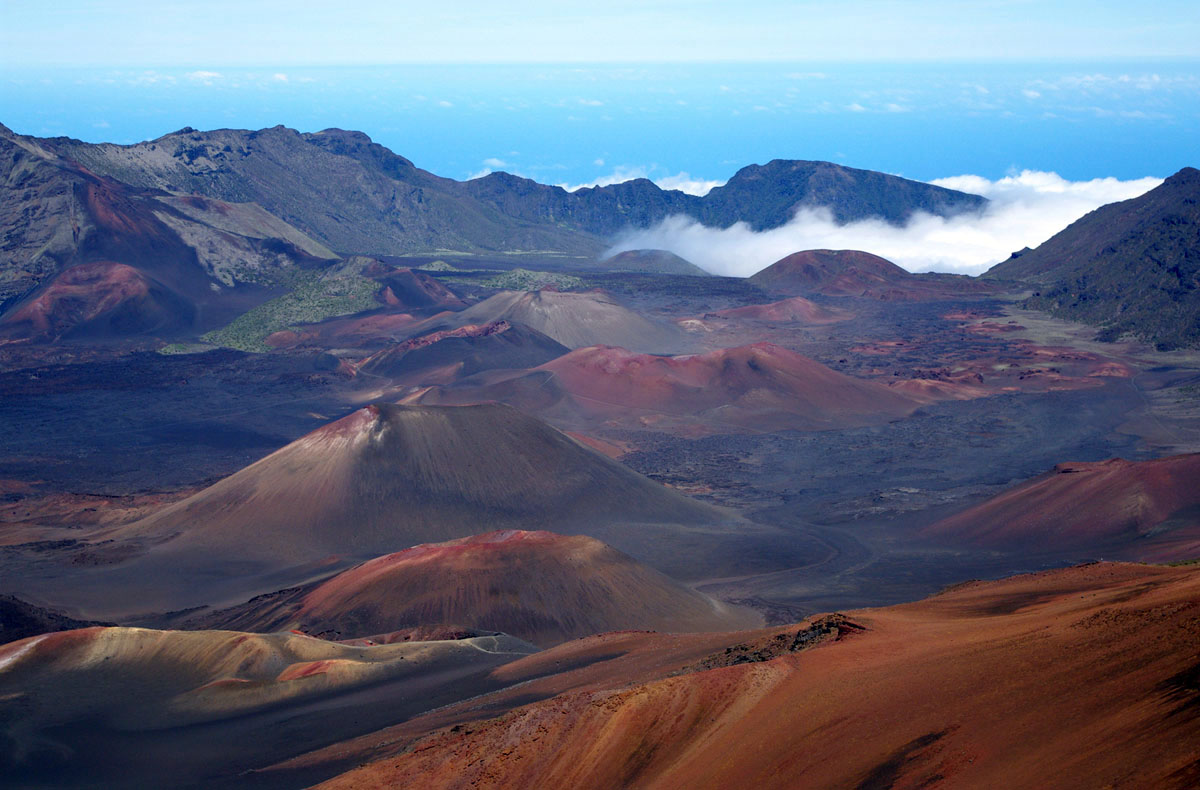
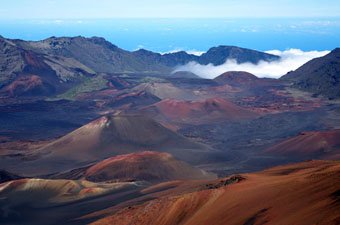
There are myriad ways to get out and explore Maui. The hiking trails vary from easy strolls off the Road to Hana to a multi-day jaunt down the face of the Haleakala Volcano all the way to the ocean (Kaupo Gap). Ho’okipa Beach Park, three miles east of Paia, is the premier windsurfing site in the world and a terrific public beach. Visiting Maui is in many ways about rejuvenation, but this need not equate to staying put.
The Road to Hana—the 50-plus mile stretch of highway hugging Maui’s luxuriant northeastern coastline—is a full day adventure in itself. The t-shirts and bumper stickers that shout, “I survived the Road to Hana” exaggerate the danger, but with 56 one-lane bridges and over 600 curves, some sections definitely are hair-raising. Slow is the only way to go but it’s worth it; this journey winds it way through some of Hawaii’s (and the world’s) most storied scenery.
The Road to Hana, also known as the Hana Highway, begins in the town of Paia on Maui’s northern coast. From there the trip takes approximately 2–3 hours in each direction depending on traffic. The town of Hana offers little to speak of but it’s readily apparent that the road itself is the star of the show. Few miles, if any, aren’t extraordinarily beautiful.
1. Start Early and Beat the Traffic
Rising early to get ahead of the crowds is essential. Almost everyone completes the trip in one day from Wailea, Kihei, and Kaʻanapali, and the bulk of cars and tour groups drive toward Hana in the late morning and back in the early afternoon. With the multitude of hairpin turns and one-lane bridges, traffic can be a drag and stopping points get crowded. If there were one day on a Maui vacation to set an alarm, grab an early cup of coffee, and hit the road, this would be it.
2. Gas Up in Paia
The town of Paia is the last place to get gas until the service station in Hana (42 miles down the road). Paia has some of the highest gas prices on Maui but it’s smart to top off your tank before starting the journey.
3. You Don’t Need 4-Wheel Drive
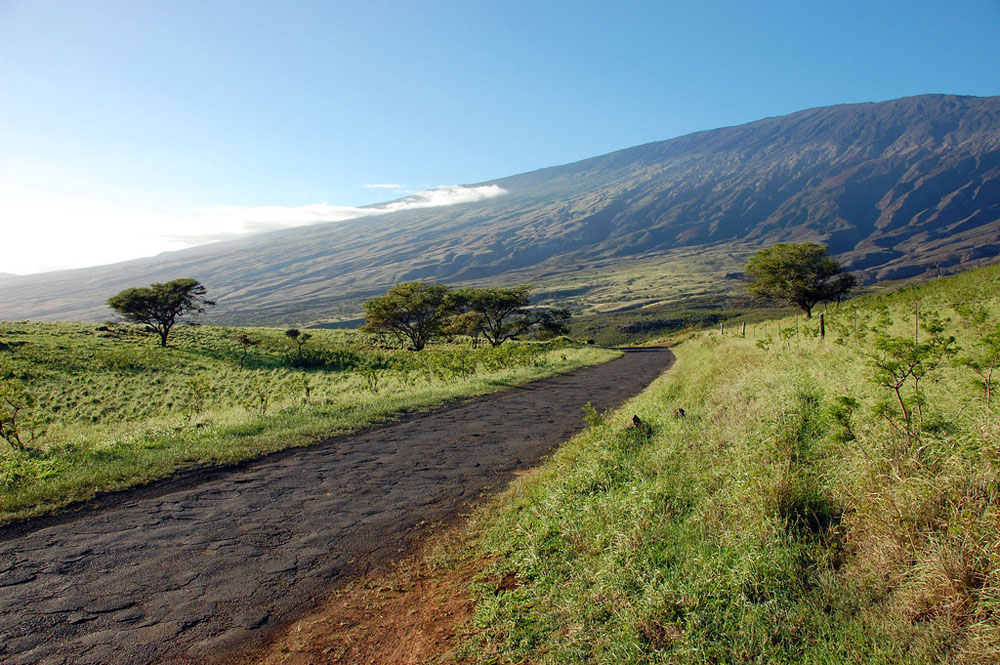
It’s a myth that the Road to Hana, or the backside (the Pilani Highway), requires 4-wheel drive. The Road is narrow at points and the bridges require some maneuvering, but none of this is dependent on 4-wheel drive capability. Twice I’ve driven the entirety of the Road to Hana including the backside in small cars without 4-wheel drive. Maui rental car agreements do specify that coverage is void on dirt roads, meaning the Road to Hana is covered but dirt sections of the Pilani Highway are not.
4. Consider Staying in Hana
Although it adds an extra wrinkle, the fortunate few who stay overnight in Hana enjoy the extraordinary beauty of this remote part of the island in solitude. The rush to Hana happens en masse around midday, but on the Hana side of the island the other 20 hours or so are pure bliss. One option is scheduling the end of your Maui trip in Hana and driving to the airport directly (most flights depart from Hawaii in the late evening so time is not an issue on the last day).
5. Don’t Miss the 10 Miles South of Hana (and Beyond)
Many publications mistakenly list the town of Hana as the end of the Road to Hana, but even for those returning the same way, it shouldn’t be the end of the journey. The 10 miles south of Hana are magnificent and relatively quick (the road opens up a bit). Just past mile marker #42 is the Kiphahulu Visitor Center with easy access to Oheo Gulch (Seven Sacred Pools) and the Pipiwai Trail, one of Maui's premier hikes. This is the ideal place to stretch your legs before making the drive back, or adventurous types can take on the remote Pilani Highway, which we highly recommend.