Photo Credit
New Zealand has nine Great Walks in total—with five on the South Island, three on the North Island, and one on Stewart Island—centered in some of the country’s most iconic scenery. They are fastidiously managed by New Zealand’s Department of Conservation (DOC), with well maintained trails, plentiful signage, rangers on duty during the high season, and DOC huts and campsites of the highest standard.
Averaging 3–4 days in duration, the Great Walks can be completed solo or with a guide. Guides are expensive but provide local knowledge, cushier private huts, tastier meals (and drinks), transportation, and will help lighten your load. Make sure to plan ahead: the DOC limits the number of hikers on the Great Walks with a strict permit system. Some of the most popular hikes, such as the Milford and Routeburn Tracks, are fully booked months in advance.
Length: 53.5 km
Time: 4 days
Difficulty: Moderate
Annual visitors: ~14,500
Starting at the head of Lake Te Anau, this awe-inspiring trek passes through temperate rainforests over Mackinnon Pass and ends at celebrated Milford Sound. During the high season the Milford Track can be walked only in one direction: from Glade Wharf at Lake Te Anau to Sandfly Point in Milford Sound. The trek must be completed in four days/three nights. Camping is not permitted and boat connections are available on both ends. Rain falls over 200 days a year in Milford Sound so pack accordingly. For further information, see the Department of Conservation permits online, Milford Track guides, and transport.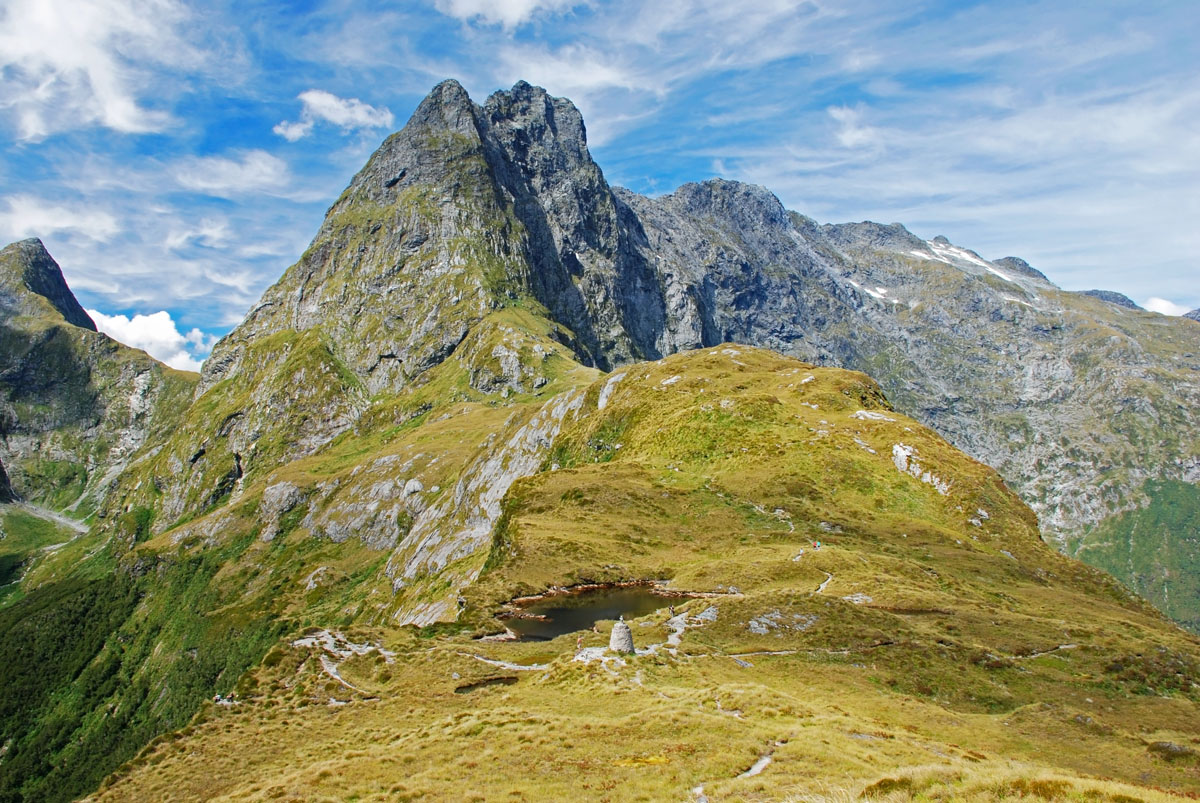
Length: 32 km
Time: 2–3 days
Difficulty: Moderate
Annual visitors: ~16,000
From beech forest and waterfalls up to the Harris Saddle and alpine lakes, this is the second most sought after Great Walk. Close in proximity to the Milford Track, the Routeburn gets considerably less rain, especially on its eastern side. It is a one-way trek requiring transportation; the majority of walkers start at the Divide and finish at the Routeburn Shelter. For those short on time, Key Summit is an excellent day hike (3 hours roundtrip from the Divide). For further information, see the Department of Conservation permits online, Routeburn Track guides, and transport.
Length: 60 km
Time: 3–4 days
Difficulty: Moderate to challenging
Annual visitors: ~9,000.
The Kepler Track doesn’t quite garner the attention of the Milford or Routeburn Tracks, but there’s an argument it’s the most beautiful. Why? The Milford and Routeburn pass through a greater diversity of ecosystems—particularly rainforests—but neither can top the alpine section of the Kepler. One of the best challenging day hikes in New Zealand is round trip from Te Anau up to the Luxmore Hut.
Length: 54 km
Time: 2–5 days
Difficulty: Easy
Annual visitors: ~31,000
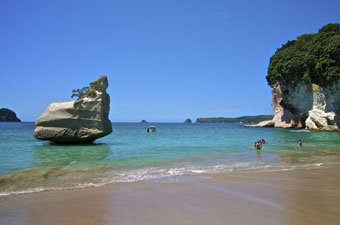
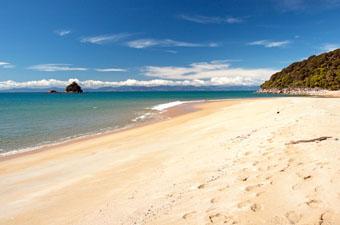
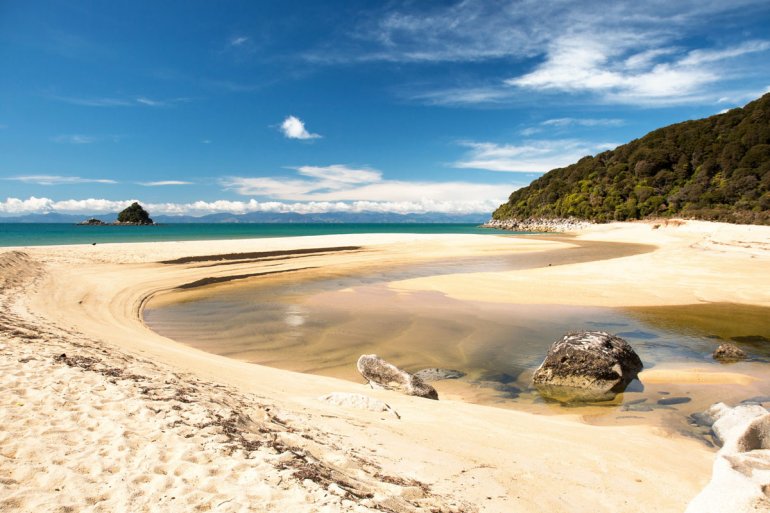
Abel Tasman National Park—with its white sand beaches, crystal clear water, lush native forests, and granite rock formations—is a natural paradise. The full Abel Tasman Coast Track is worthwhile, but there are also good access points along the route for a more targeted trip. The Park is extremely popular, but the DOC operates 18 campsites and four huts, and there are a handful of private accommodations. To get away from the crowds, the northern section of Abel Tasman beyond Totaranui and the reach of the water taxis is stunning and gets far fewer visitors (the coast is rougher and more exposed). Many kayaking options are available in Abel Tasman National Park, including multi-day trips.
Length: 78 km
Time: 4–6 days
Difficulty: Moderate to challenging
Annual visitors: ~5,000
This lengthy walk through Kahurangi National Park begins at the junction of two rivers and passes through lush forests and nikau palms to the roaring seas of the Wild West Coast. The bird spotting is exceptional, and the Heaphy Track is one of the only Great Walks accessible year-round. It is a one-way trek and guided trips are available. The DOC is currently running a trial period and allowing mountain bikes on the track through 2013 (allow 2–3 days for the ride).
Length: 37 km
Time: 3 days
Difficulty: Moderate
Annual visitors: ~1,500
Get off the beaten path on untamed Stewart Island, which is a 20-minute flight from Invercargill or a one-hour ferry from Bluff. Aside from the settlement of Oban, the starting and ending point of the trek, Stewart Island is almost entirely undeveloped and blanketed by thick, native vegetation. The scenery is not as jaw dropping as some of the other Great Walks, but the Raikura Track is pure New Zealand wilderness and gets the least visitors with only 1,500 trekkers per year.
Length: 50 km
Time: 3–4 days
Difficulty: Moderate to challenging
Annual visitors: ~5,500
This Great Walk circumnavigates the active volcano Mount Ngauruhoe in Tongariro National Park, including the famed Tongariro Crossing. The Crossing can be completed as a day hike, which is a far more popular option than the full Circuit. The weather can be tricky and the summer hiking season in Tongariro is from December to March.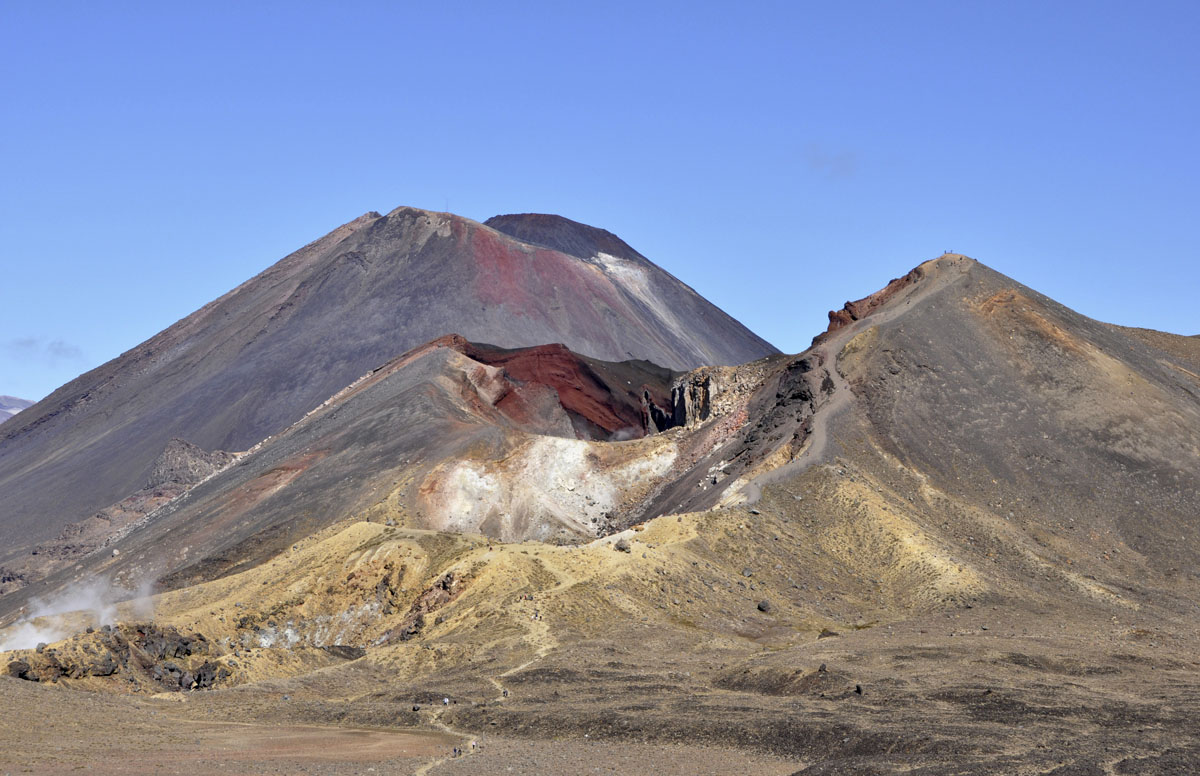
Length: 46 km
Time: 3–4 days
Difficulty: Moderate
Annual visitors: ~5,600
The majority of this trek skirts the western shoreline of magnificent Lake Waikaremoana through the dense and varied forests of Te Urewera National Park. It is a one-way trip and ground transportation is readily available.
Length: 145 km (via canoe or kayak)
Time: 5 days on average
Annual visitors: Unavailable
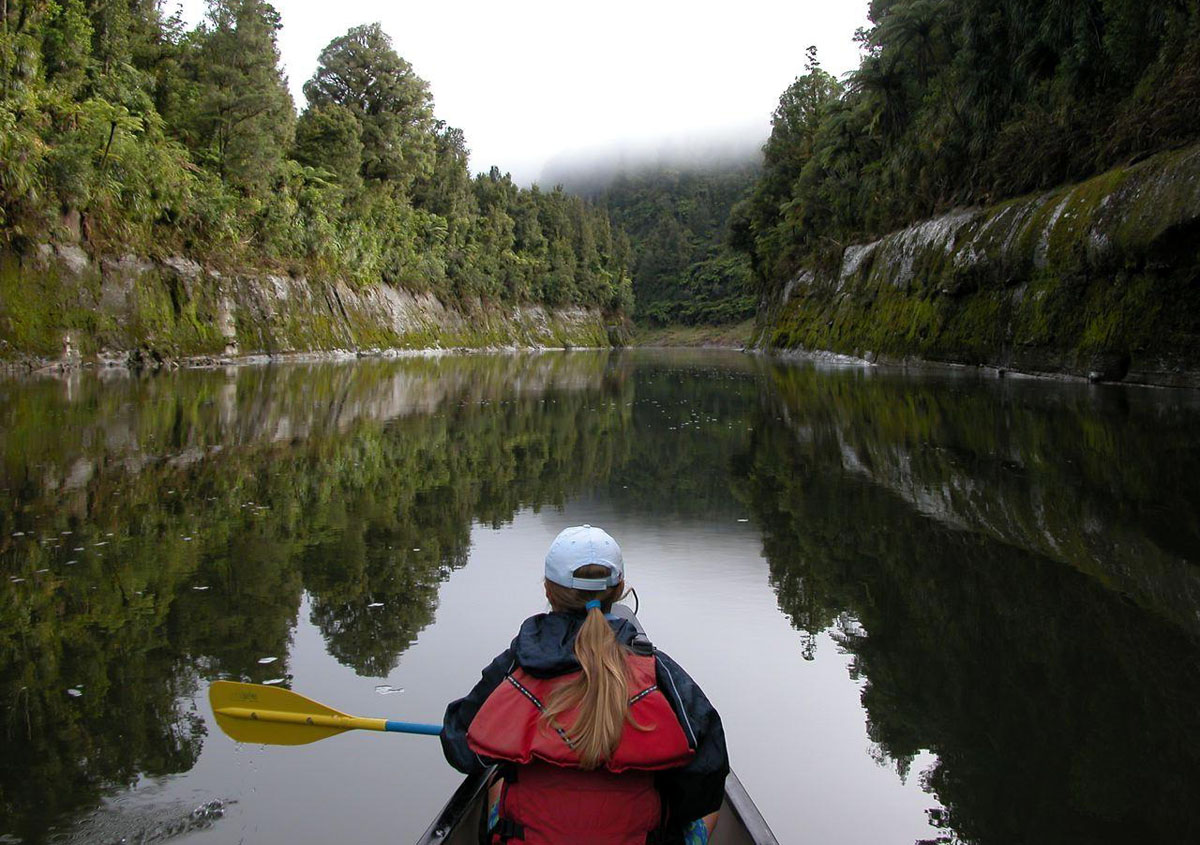
This gentle trip down the Whanganui River from Taumarunui to Pipirki, once used by the Maoris, passes through a wide range of beautiful terrain. There are 11 DOC campsites and 3 huts spaced out along the river, and the trip can be completed either with canoes or kayaks. For a shorter, 3-day option, put in at Whakahoro.
The phrase: “The Finest Walk in the World” is often thrown about regarding the Milford Track. Occasionally the author is cited, poet Blanche Baughan, or the phrase is attributed as the title of her essay published by the London Spectator in 1908. Far more interesting, we thought, was to dig up a copy of the piece and read what Baughn had to say so many years ago. Below are excerpts of her words, reminiscent of John Muir, the spirit of which rings true over 100 years later:
Deep in the south-west corner of New Zealand, far away from all familiar scenes of travel, lies the celebrated Milford Sound, an inlet of the sea said to surpass in magnificence even the fjords of Norway. Of late years a track has been made overland to the Sounds, and this track anyone possessing feet to walk with, eyes to see with, and a love for Nature at her loneliest and fairest, could scarce do better than essay…
…New Zealand puts us right—there is no such moss in England! And no such trees either! Before, behind, to left and right. The forest comes unbroken—vista beyond vista, lofty hall past hall, of lively, glorious green, pillared upon great brown mossy boles. Immense boughs, also brown with velvet moss half-a-hand deep, embroiled with lichens, dripping with ferns, zigzag mazily in and out of the leafy layers they support. The sun (no English sun! he is twice as bright) looks like a splintered star, up there between the tree-tops, and each of his rays falls in a splash of cool brightness through the green, equable bloom, and singles out the random beauties to be blessed…
…The air, too, is so light and sprightly that you feel as if you could for ever; the sky, in fine weather, is of a peculiar purity, the light intense; nay, even in bad weather your spirits rise up here…But it is so shelterless here—suppose one should get wet….? To tell the truth, you get wet so often on the Track that you take no notice of it, and the air is so pure and germless that you never take any harm either. And, one a day of storm, when every crag hurls water, when the fierce wind hurls the water straight into spray, and all but tears you from the Track, when the creeks of the descent, multiplied innumerably and swollen with appalling suddenness into roaring, volleying wastes of water white as snow, are difficult and dangerous to cross—the place is full of a bewildering glory!...
…The Traveler has come out! For days he has been a witnesser of Nature’s secrets, a sharer in her hidden exultations. He has watched her wedding beauty to wonder; he has climbed with her and stood conqueror yet comrade, upon her soaring heights; he has been made welcome by her shy recesses. Now here, after muffling forest and heights that stop the sky, she offers as her final gift space, freedom, the glory and rapture of the open Sea.
From The Finest Walk in the World, later published in the anthology: Studies in New Zealand Scenery by Blanche Edith Baughan.