Norway Travel
Norway Travel - Vøringfossen
Norway Map

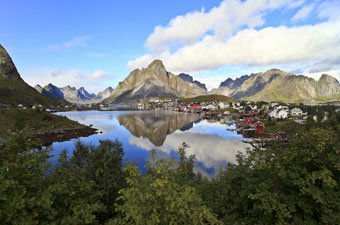
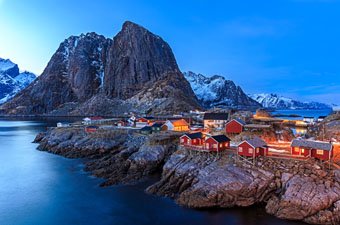
The fishing village of Reine on the Lofoten Islands, 100 kilometers above the Arctic Circle

Credit: David Wilkinson

Norway

Norway: Europe's True Wilderness

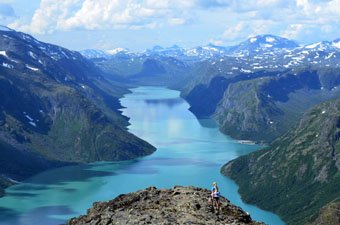
Europe’s true wilderness is not found not in the Alps, but the northern reaches of the continent from the 57th parallel north well into the Arctic Circle. It is land commanded by glaciers, sheer fjords, otherworldly mountain terrain, and extensive coastline. Norway is not conventional wilderness, but is as expansive, uncultivated, and uninhabited as anywhere on the continent, and its wonderlands speak directly and loudly to those who love wild country.

People often imagine the Nordic countries as geographic equals, but in reality Norway stands apart from its relatively flat neighbors. Norway is mostly mountainous, reaching a crescendo in the Jotunheimen range, the home of Northern Europe’s highest peaks. It also has the good fortune of being located along the Gulf Stream, which keeps temperatures considerably more moderate than Sweden, Finland, and places of similar latitudes such as Alaska and Siberia.

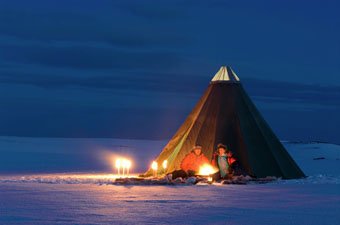
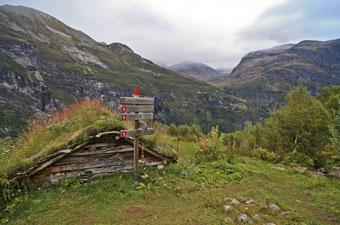
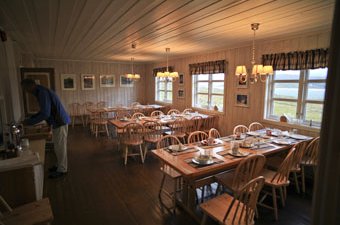
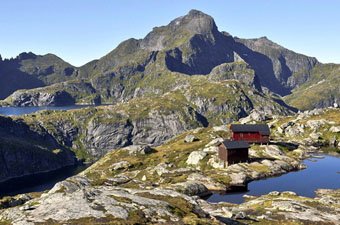
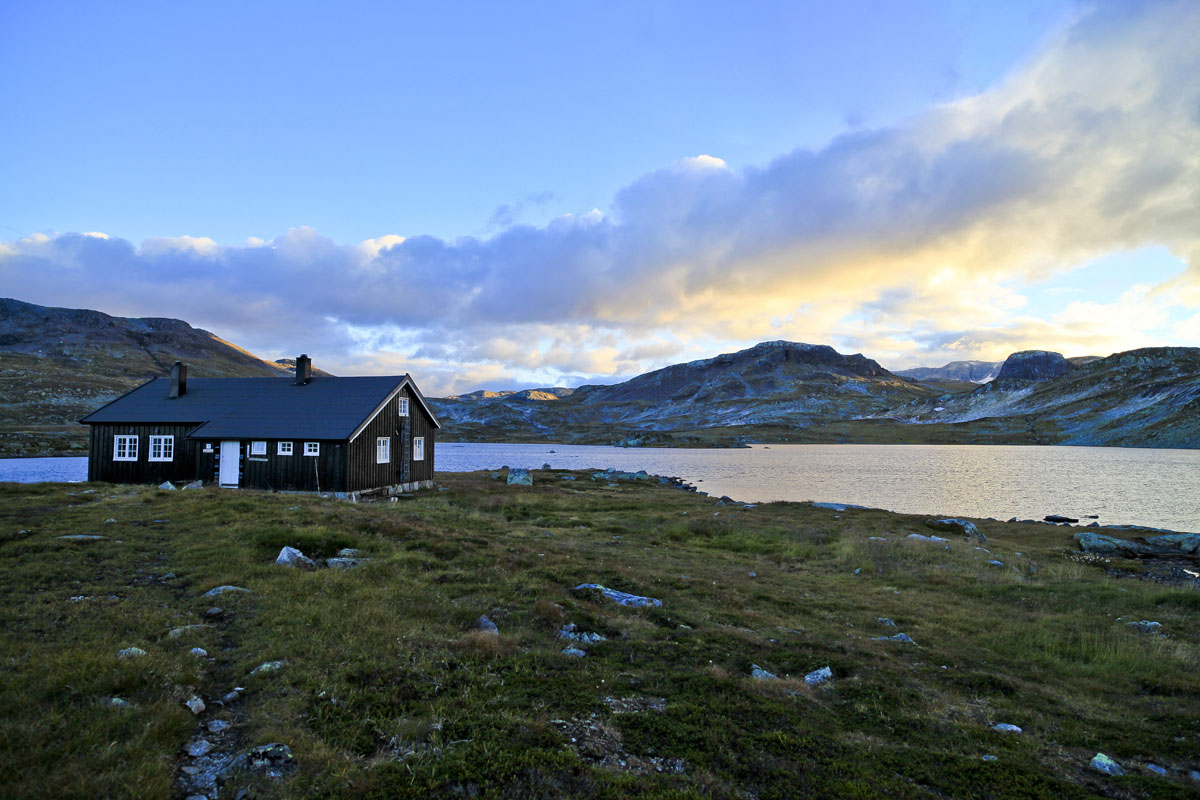
One of Norway’s unique amenities for the outdoor-minded traveler is the world’s best system of public huts, used for hiking in the summer and cross-country skiing in the winter. These huts make the unforgiving terrain far more manageable—they have all the necessities including beds, duvets, firewood, and an abundance of supplies ranging from hot chocolate to pasta with reindeer meatballs. Simply register with the Norwegian Trekking Association (DNT), pay a small fee, and get the universal key for access to over 460 cabins throughout the country. And in typical Norwegian fashion, they huts are immaculate and operate on the honor system.Norway's Ulvik Municipality

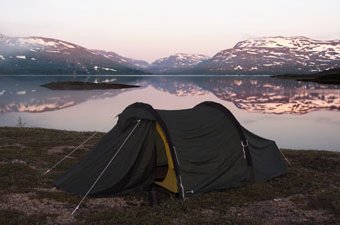
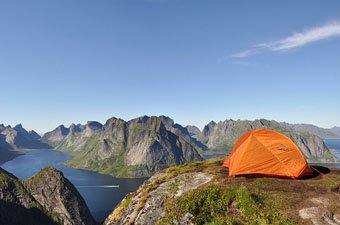
Expense is a reality of travelling in Norway and a concern for many. The country has a very low population, abundant oil and gas reserves, and is not a member of the European Union, all of which makes it among the world’s wealthiest countries and keeps the currency (krone) strong. Norway is costly, but some things are more economical than others and outdoor travel can keep the costs down. Nights spent in public huts are cheap and fun, and visitors on a shoestring can take advantage of Norway’s liberal camping rules that enshrine in the law the right to camp freely on uncultivated land.

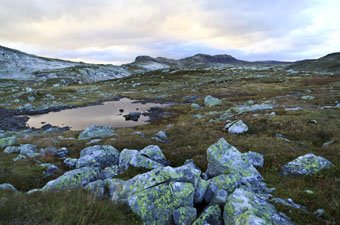
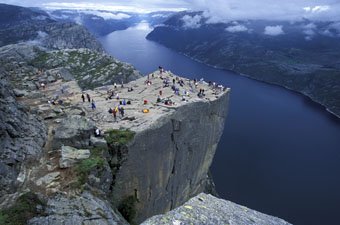
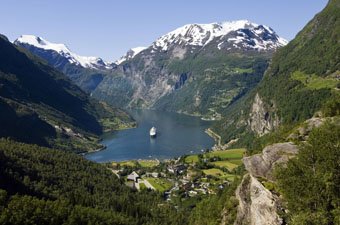
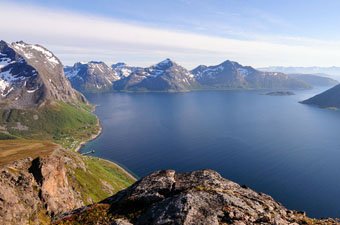
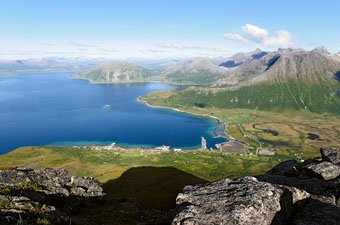
The country of Norway is the longest in Europe at 1,753 km (over 1,000 miles), and there are many extraordinary places to visit. The Lofoten Islands, an archipelago of near-vertical granite peaks located well above the Arctic Circle, offer one of the world’s most awe-inspiring convergences of mountain and sea. Another highlight is the vast Hardangervidda Plateau, classic Norwegian mountain terrain where famous polar explorers such as Roald Amundsen once prepared for their expeditions. The plateau is home to Norway’s largest national park and a multitude of opportunities for hiking, mountain biking, fishing, and cross-country. The trip wouldn’t be complete without experiencing the sheer magnitude of the famous fjords in person, which come in many shapes and sizes along the western portion of the country. If you happen to be in Oslo or one of the small towns on the 17th of May, join in the gaiety of Syttende Mai, which celebrates the Norwegian Constitution of 1814, the foundational document of one of the most democratic of all nations.

Norway - WildernessWherever you go in Norway, the landscapes will be austere but as beautiful and wide open as any. The country is made for exploration; one can hike its entire length from north to south exclusively by way of public huts. In the winter, the land is frozen but the Norwegian people may be even more active. A devotion to nature is ingrained in Norwegian culture—embodied by the word friluftsliv, or the open air life—and after going there you will have a fuller understanding why.