Photo Credit
David Wilkinson
David Wilkinson
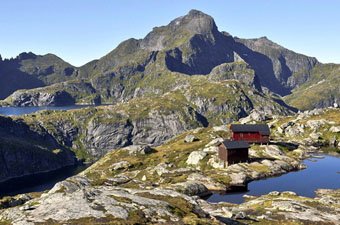
Norway is home to the largest and best public hut system in the world, a way of life for locals and a novelty for visitors. The Norwegian Trekking Association (DNT) oversees more than 500 cabins spanning the country and situated incrementally throughout the National Parks and other areas of great natural beauty. They are a pleasure to stay in and make Norway’s wide-open and unforgiving terrain far more accessible. Rustic in some ways, yet equipped with wood, gas, food, full kitchenware, and as much character as any five-star accommodation.
DNT staffed lodges are open to members and non-members alike, but members pay a discounted rate that covers the 2016 annual fee (640 NOK or $74) in a few nights. Access to self-service and no-service cabins requires the DNT master key available only to members. Below is a breakdown of the three categories of huts—staffed lodge, self-service cabin, and no-service cabin—all of which provide duvets and pillows but require a silk liner (sleep sack).
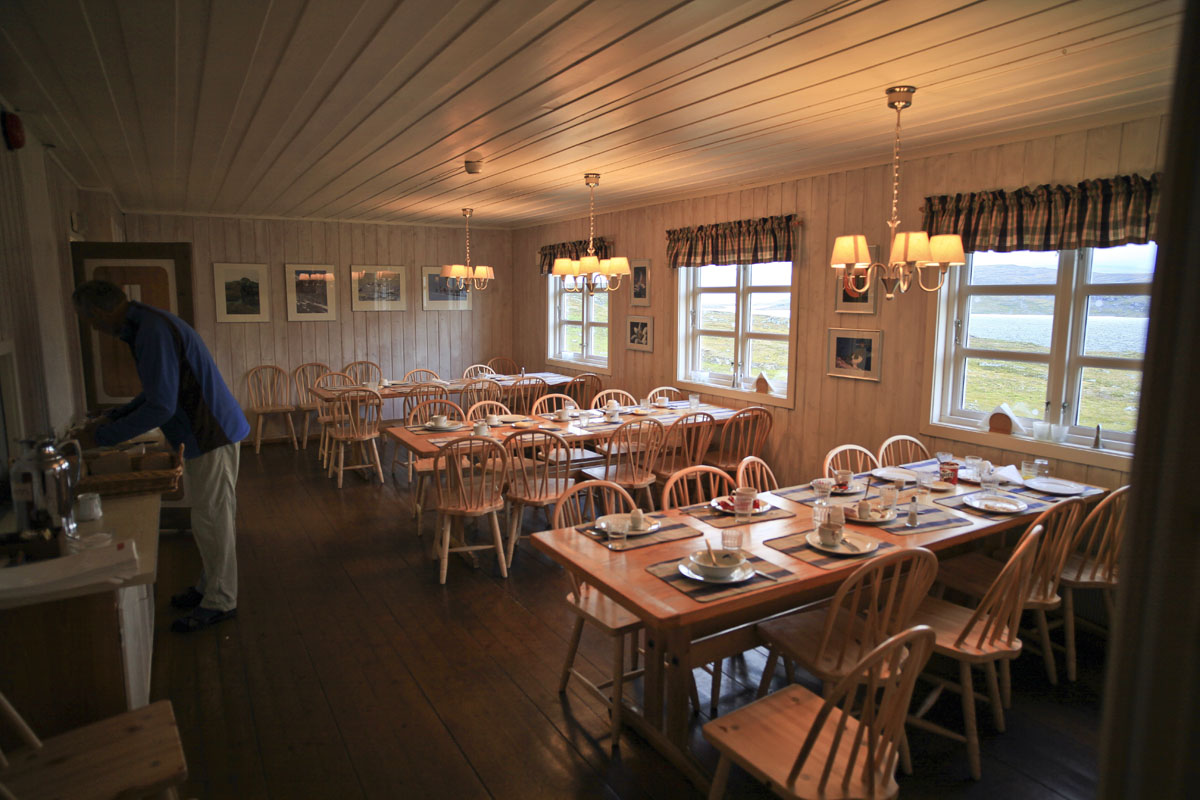
“Lodge” is the correct term for the largest and most developed of the bunch, complete with staff on hand, prepared meals, electricity, and hot showers. They are located in higher use areas and see a decent volume of trekkers each day, but sleeping arrangements are mostly in one and two bunk private rooms (with two and four beds, respectively). One of the highlights is the family style three-course dinner made from local ingredients and with bountiful proportions. Staying in a private room with a three-course dinner, breakfast, and a couple of sandwiches for the road will set you back around 740 NOK ($85). Wine and beer are available at staffed lodges.
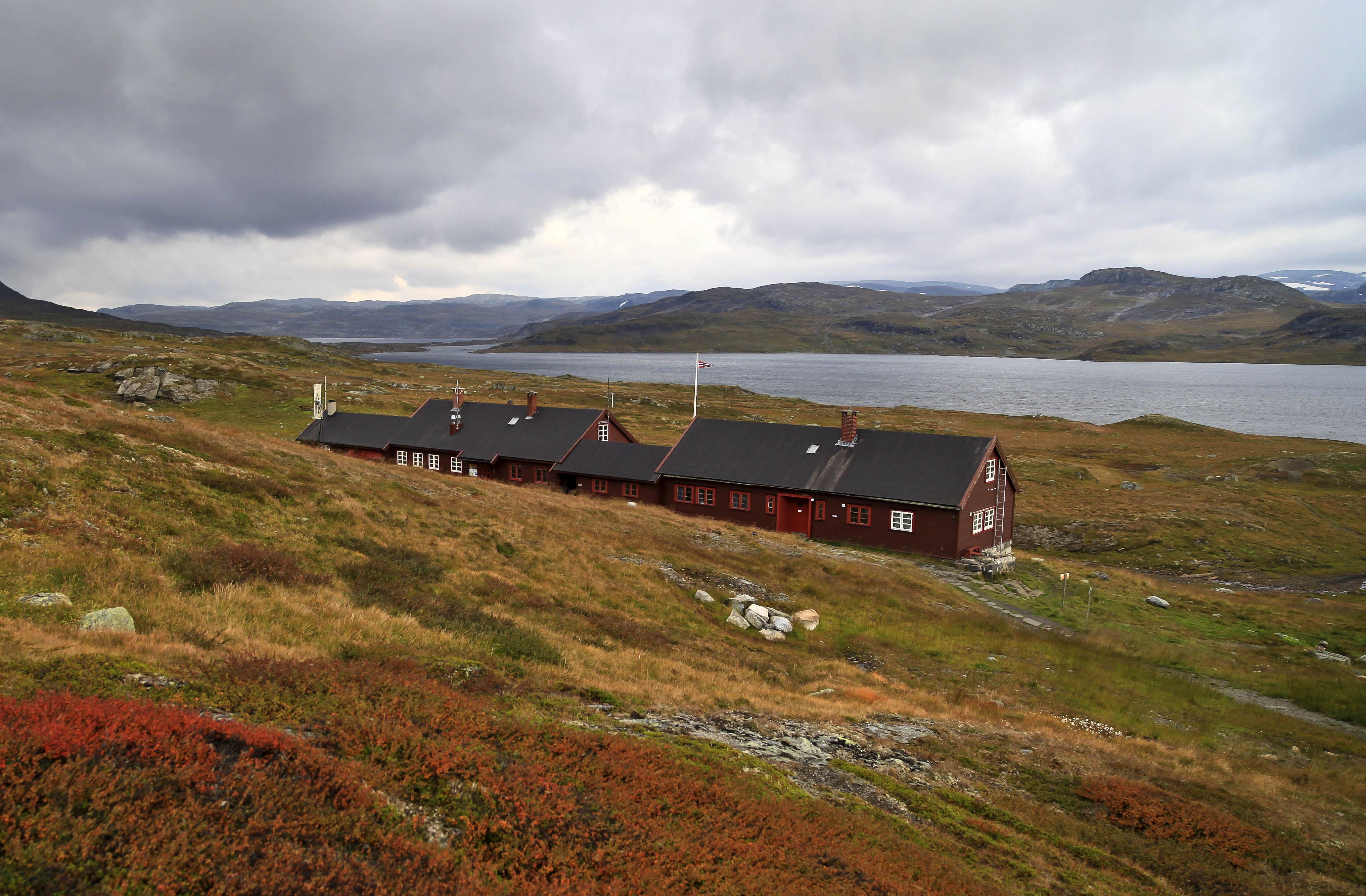
DNT Self-Service Cabins
These are smaller cabins without staff or prepared meals but stocked with all the necessary provisions. They do not have electricity or running water—candles are used for light and the cabins are located next to a dependable water supply. Self-service is my favorite category because they are less crowded, more intimate, you cook for yourself, and they are cheaper. Lodging for the night costs 245 NOK ($27), and food roughly 165 NOK ($19) depending on your meals.
The selections in the pantry include a variety of dried and canned foods such as pastas, soups, vegetables, fish, and even reindeer meatballs. You’ll also find cheese and crackers, pancake mix, oatmeal, an assortment of beverages including tea, coffee, and hot chocolate, among other things (no alcohol provided). All told, the food is pretty good and an improvement from most camping meals. Self-service huts are equipped with a full array of kitchen supplies, gas stoves for cooking, and wood for heating.
The smallest and most rustic huts, equipped with the same facilities as self-service cabins but have no food (you must carry in your own food).
The huts have a code of conduct innate to locals but slightly more challenging for foreigners, especially considering that directions are in Norwegian. The first order of business upon arrival is to write your name in the cabin register and take a provision sheet to record the supplies you use during your stay. Then find a bed for the night, drop your things, and head to the kitchen to familiarize yourself with the workings of the cabin. The systems are similar from hut to hut but the size and layout of each is unique. Our biggest hurdle was deciphering the proper use for each bucket of water in the kitchen (boiled, not boiled, dish water), and without being able to read the labels, we depended on observation and made our best guess.
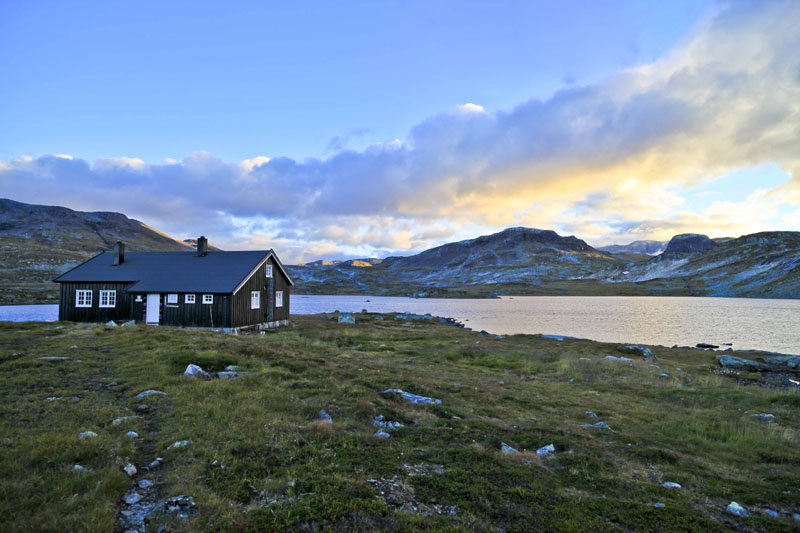
It doesn’t take much to fit in with the locals—just help keep the group water and wood supplies replete and clean up (frankly, Norwegians are so congenitally polite that they’ll just keep doing their chores, seemingly oblivious to the fact that you aren’t). The huts are in ship-shape condition because the locals keep them that way, so follow the guidelines and clean your personal space and the common areas before you leave. Tidy up the bunks, mop the floors, take out the trash and recycling (to the woodshed), and make sure all kitchenware is clean and put away. Check that the gas regulators are turned off, bring in wood for the next guests, close all doors and windows, and lock the door with the DNT key.
What are the sleeping arrangements?
Staffed lodges have private rooms and dormitories. Self-service and no-service huts are unique, but typically have smaller rooms on the lower level and larger open rooms on the second level. It usually isn’t a problem to find a private area to sleep unless the hut is especially full that night.
Do I need to reserve ahead?
Everyone who comes to a cabin is guaranteed a place to sleep. The DNT has built the huts large enough to ensure ample space, and in the case that the bunks are full there are extra mattresses to sleep on the floor. Members can book ahead at staffed lodges, limited to stays of three nights during the high seasons.
How do I pay?
There is a price booklet at the hut register and a safe with a drop box nearby. The payment system is based entirely on good faith, and it’s not surprising that everyone pays in Norway. At the end of your stay, tally up the provisions you have used and add lodging, and payment can be made either with cash or a credit card authorization slip (again, only in Norway). You can view the 2016 DNT price list here.
What about Maps and distances between huts?
Upon joining the Norwegian Trekking Association (DNT) you will receive a handful of regional maps detailing the location, category, and estimated walking time between huts. Follow the well-marked trails by locating the ubiquitous red T’s along the way.
How are the bathrooms?
Staffed lodges have running water and flush toilets, while self-service and no-service cabins have outhouse-style toilets, almost invariably as clean as outhouses can be. Most staffed lodges have hot showers, while at other cabins Norwegians often jump in a nearby lake to rinse off.
How do all the supplies get to the huts?
Your hut fees are put to good use: the DNT brings in supplies by helicopter in the summer and snowmobile in the winter (the only authorized vehicles in conservation areas).